
The $1,000 Investment Plan That Anyone Can Follow

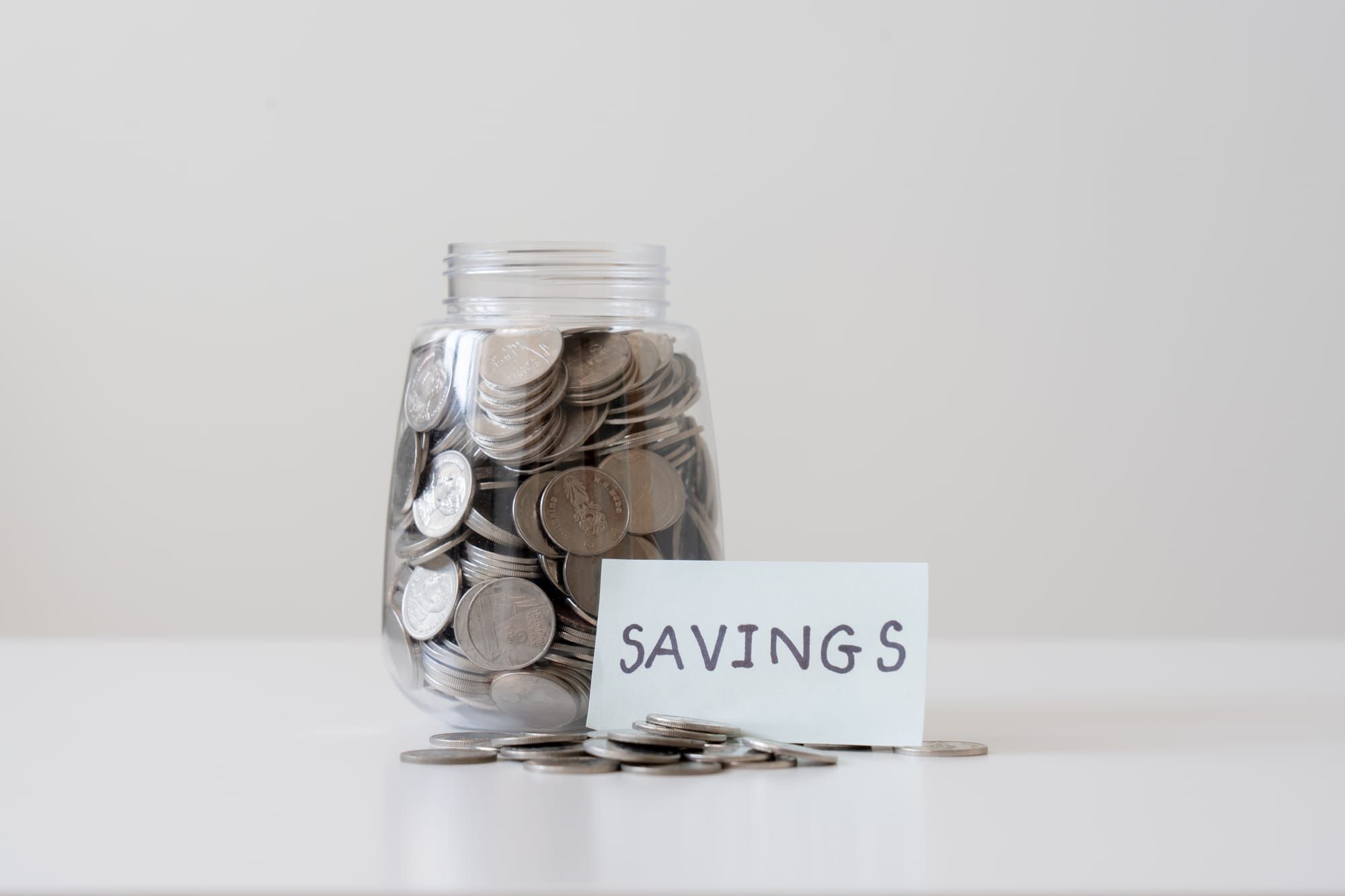
For many people, investing feels like something reserved for those with large amounts of money or insider knowledge. In reality, one of the biggest shifts in modern finance is the idea that you can start small and still build meaningful wealth over time. A $1,000 investment, when used wisely, is not about instant results. It’s about creating a system, developing discipline, and putting your money into motion. With the rise of low-cost platforms, index funds, and automated investing tools, it has never been easier to take that first step in a simple, structured, and beginner-friendly way.

Step 1: Build a Small Safety Net First
Before investing a single dollar, make sure you have at least a basic emergency buffer.
This doesn’t have to be huge. Even setting aside $300–$500 can protect you from needing to sell investments during unexpected situations.
Investing works best when you can leave your money untouched.
Step 2: Start With Low-Cost Index Funds
If you’re new to investing, trying to pick individual stocks can feel overwhelming and risky.
That’s why many beginners are turning to index funds, which track the overall market.
Instead of betting on one company, you invest in hundreds of companies at once. This reduces risk and creates steady, long-term growth.
A simple approach:
- Allocate $500–$700 into a broad market index fund
- Focus on long-term holding, not short-term trading
This strategy is widely used because it’s simple, proven, and beginner-friendly.
Step 3: Add Dividend-Paying Assets
Once you’ve built your core investment, you can allocate part of your money into dividend-paying stocks or ETFs.
These investments generate regular income, which you can reinvest to accelerate growth.
A simple allocation:
- Around $200–$300 into dividend-focused assets
This introduces you to the concept of earning while you hold, which is a key part of long-term wealth building.
Step 4: Keep a Small “Opportunity Fund”
Not all of your money needs to be locked into long-term investments.
Set aside $100–$200 as a flexible fund. This allows you to:
- Test new opportunities
- Invest in emerging trends
- Learn by doing
This step is important because it keeps investing engaging and educational, not just passive.
Step 5: Automate and Stay Consistent
The real power of this plan is not the initial $1,000. It’s what you do next.
Even adding $50–$100 per month can make a huge difference over time.
Automation helps remove emotion and ensures that you stay consistent, which is one of the most underrated investing habits.

Step 6: Avoid Common Beginner Mistakes
Many new investors lose money not because of bad assets, but because of bad decisions.
Some mistakes to avoid:
- Chasing quick profits
- Constantly buying and selling
- Investing without understanding
The goal is not to get rich overnight. It’s to build sustainable, long-term growth.
Step 7: Think Long-Term From Day One
Your first $1,000 is not about immediate results. It’s about building the habit and mindset of an investor.
Over time, consistency and patience can turn small beginnings into significant financial progress.
The earlier you start, the more you benefit from compounding, which is one of the most powerful forces in investing.
Final Thoughts
A $1,000 investment may not seem life-changing today, but it represents something much bigger.
It’s a starting point.
In a world where more people are taking control of their finances, the advantage goes to those who start early, stay consistent, and keep things simple.
You don’t need a perfect strategy. You just need to begin.